
Sunday October 26, 2025
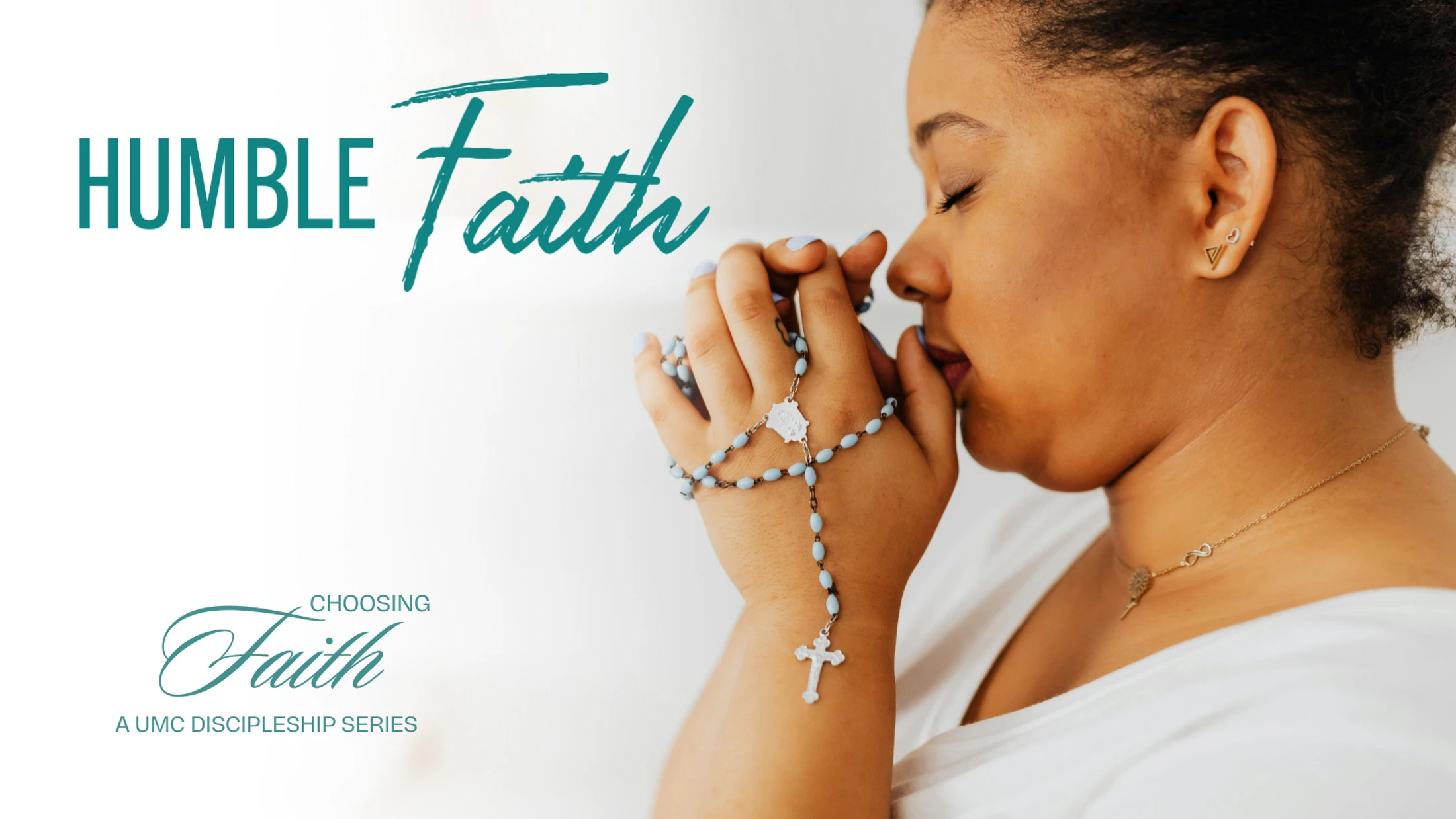
Humble Faith
Luke 18:9–14 presents a contrast that reaches to the heart of faith. Jesus tells this parable “to some who trusted in themselves that they were righteous and looked down on others.” Two people go to the temple to pray. The Pharisee thanks God but quickly turns to comparison: “I am not like other people.” His prayer circles around his own record; fasting, tithing, and moral superiority. The tax collector stands at a distance, eyes lowered, chest struck in grief. His words are brief but true: “God, be merciful to me, a sinner.” Jesus declares that the second man, not the first, goes home justified. The proud remain standing; the humble are lifted.
This story exposes a subtle danger for religious people: when devotion turns into self-display. The Pharisee’s practices were good gifts twisted by pride. The tax collector’s confession, meanwhile, becomes an act of faith; trusting God to do what he cannot do for himself. The parable ends with a Kingdom truth that flips the world’s order: “All who exalt themselves will be humbled, but all who humble themselves will be exalted.”
Wesleyan language helps us trace the grace at work. Prevenient grace stirs both men to pray. Justifying grace meets the one who casts himself on mercy. Sanctifying grace grows humility over time, shaping a heart that tells the truth about sin and mercy in the same breath. Scripture read with an open heart, prayer in community, Communion that invites empty hands, and works of mercy that look outward; all are means by which God keeps humility alive.
This message offers a quiet pastoral warning. Religious habits can tilt toward self-congratulation without notice. The answer is not to drop them but to recover their posture: low eyes, open hands, honest hearts. A humble congregation breathes more easily; people learn they can come as they are. Holiness and welcome meet in the same room when humility holds them together.
Practical ways to live humble faith include praying the tax collector’s prayer morning, midday, and evening. Write it on a small card and carry it as a reminder when pride or comparison rises. Thank others without adding your own story. Make amends where your words have cut. Give quietly, serve faithfully, and seek reconciliation where relationships are strained.
Faith that bows is the faith God lifts. The way up in the Kingdom begins with kneeling down. At the Lord’s Table, we come not because we are strong but because we need grace. We rise forgiven and ready to carry that mercy into the world. Humble faith stays low before God, gentle with people, and steady in grace.